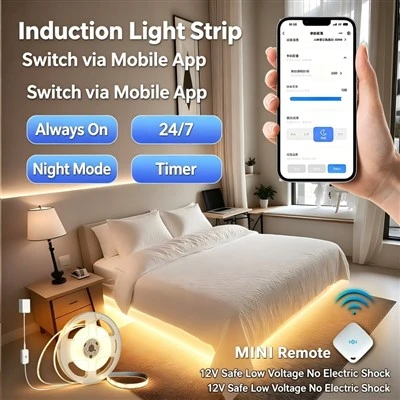
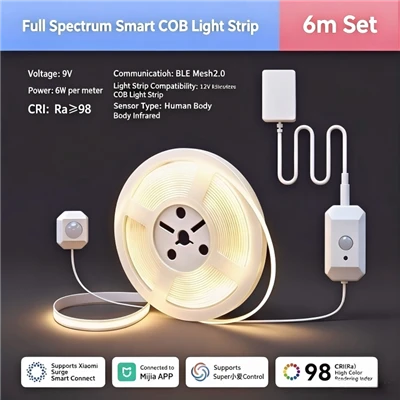
A low-energy Bluetooth device refers to a device that uses Bluetooth Low Energy (BLE), a power-efficient version of Bluetooth technology designed for intermittent, low-data-rate wireless communication.
Key Features of BLE Devices:

1,Low Power Consumption
Uses significantly less energy than classic Bluetooth, making it ideal for battery-operated devices.
Can run for months or even years on small coin-cell batteries (e.g., CR2032).
2,Short-Range Communication
Typically operates within 10–100 meters (depending on environment and version).
3,Intermittent Data Transfer
Optimized for sending small bursts of data (e.g., sensor readings, notifications) rather than continuous streaming.
4,Common Use Cases
Wearables (smartwatches, fitness trackers)
IoT & Smart Home (smart locks, lights, sensors)
Beacons (retail, location tracking)
Medical Devices (glucose monitors, heart rate sensors)
Wireless peripherals (keyboards, mice)

BLE vs. Classic Bluetooth
| Feature | Bluetooth Low Energy (BLE) | Classic Bluetooth (BR/EDR) | |
|---|---|---|---|
| Power Use | Very low | Higher | |
| Data Rate | Low (up to ~2 Mbps) |
|
|
| Latency | Higher (~6 ms) | Lower (~100 ms) | |
| Use Case | Sensor data, beacons | Audio streaming, file transfer |
BLE was introduced in Bluetooth 4.0 (2010) and has evolved in later versions (Bluetooth 5.0, 5.1, 5.2, 5.3, 5.4) with improvements in speed, range, and mesh networking.
If you want to know more about our products, you can directly send us an email to inquire.