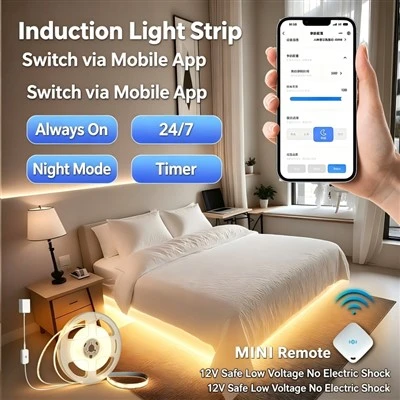
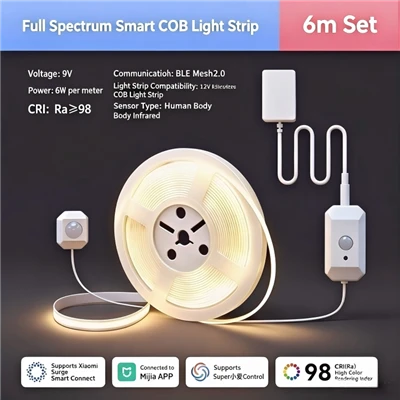
The advantages of BLE Bluetooth modules mainly include the following aspects:
Low power consumption: BLE Bluetooth modules greatly reduce energy consumption by reducing radio wake-up time, shortening connection time, using smaller data packets, and entering sleep mode when inactive, thereby extending the battery life of the device. This is especially important for devices that need to run for a long time without frequent charging or battery replacement.
Efficient data transmission: BLE supports efficient encoding methods, which can send the same amount of data in less time, while using shorter startup time and occupying fewer resources, further reducing power consumption. In addition, BLE allows fast and frequent data exchange between devices, which is suitable for application scenarios that require real-time monitoring.
Wide compatibility and interoperability: BLE Bluetooth modules are widely supported by mainstream operating systems, such as Android, iOS, Windows 10, Linux, etc., which natively support BLE low-power Bluetooth. This enables IoT devices to connect and communicate with the vast majority of smart devices on the market.
Multiple communication modes: BLE supports broadcast and connection modes, which can adapt to different application needs. The broadcast mode is used for device discovery, and the connection mode is used for data transmission. This flexibility allows BLE modules to adapt to a variety of IoT application scenarios.
Low cost: BLE technology not only reduces hardware costs, but is also more cost-effective in software development and maintenance. This makes the construction and expansion of IoT systems more cost-effective.
Quick startup and instant connection: BLE Bluetooth modules start quickly and connect in a very short time, and can connect almost instantly, which is very important for applications that require fast response.
Wide application scenarios: BLE Bluetooth modules are widely used in the Internet of Things, including smart door locks, automotive electronics, smart homes (such as smart bulbs, smart sockets, smart door locks, etc.), smart wearable devices (such as smart watches, smart headphones), etc.