The working principle of BLE Bluetooth module mainly includes the following aspects:
Low power design: BLE achieves low power consumption by reducing radio wake-up time, shortening connection time, and using smaller data packets. The radio of BLE devices wakes up only when necessary to save power. When the device needs to send or receive data, the radio quickly performs the necessary tasks and then disconnects. In addition, BLE devices send signals on the main RF advertising channel, reducing the number of scanned channels, thereby reducing wake-up time and energy consumption.
Protocol stack composition: The BLE protocol stack is a bridge connecting chips and applications, and is the key to realizing the entire BLE application. The BLE protocol stack is mainly composed of the PHY layer (physical layer), LL layer (link layer), GAP layer (generic access profile), etc. The PHY layer specifies the wireless frequency band and modulation and demodulation method used by BLE. The LL layer is responsible for selecting the RF channel, identifying air data packets, and ensuring data integrity. The GAP layer standardizes and defines the valid data of the LL layer.
Master-slave relationship and data transmission: In Bluetooth communication, the BLE module can act as a master device or a slave device. The master device is responsible for finding and initiating pairing. After the connection is established, two-way data or voice communication can be carried out between the master and slave devices. The slave device usually works in slave mode, waiting for other master devices to connect. When necessary, it can switch to master mode and initiate calls to other devices.
Working mode: BLE communication is divided into two modes: broadcast and connection. In broadcast mode, the device periodically sends broadcast packets containing the device's UUID and service information. Other devices discover and identify surrounding BLE devices by scanning these broadcast packets. In connection mode, after the scanning device finds the target device, it can initiate a connection request. After the connection is established, data is exchanged through GATT (Generic Attribute Profile).
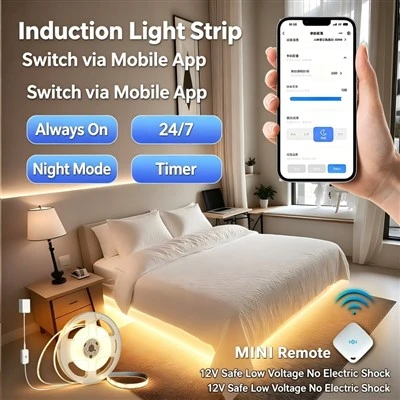
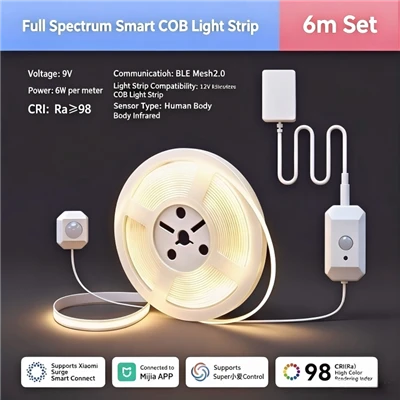
Application scenarios: BLE is widely used in various IoT devices, such as smart lighting control, smart locks, MAC address QR code scanning and printing, indoor positioning, etc. Specific applications include health monitoring (such as heart rate monitors, blood oximeters), smart home (such as smart light bulbs, door locks, thermostats) and wearable devices (such as smart watches, fitness trackers), etc.